
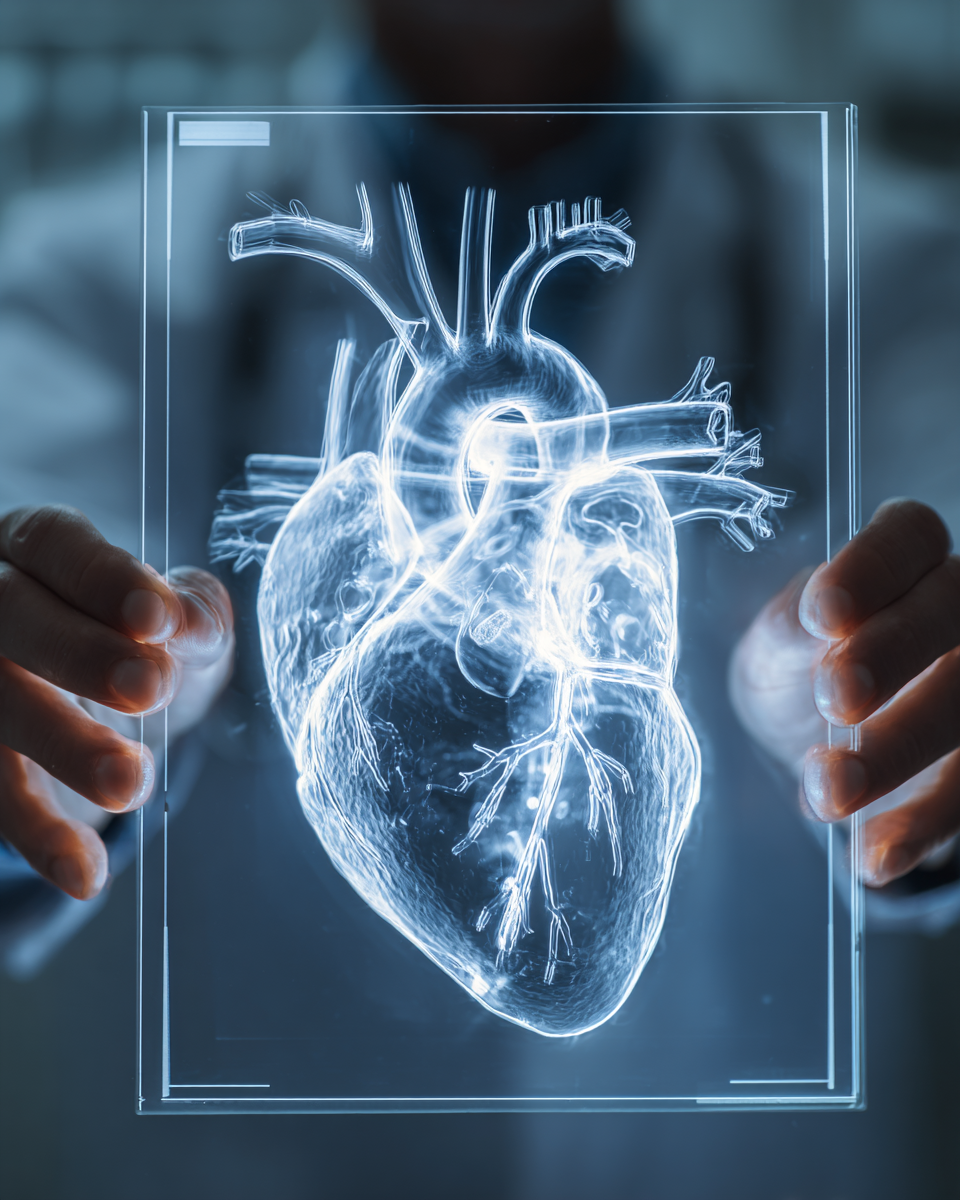
Every day, your heart is speaking to you.
Not in words, but in signals. Subtle ones. Sometimes loud ones. Often ignored ones.
Heart disease and stroke remain leading causes of death in the United States, yet what makes them especially dangerous is how often they develop quietly, without obvious warning until it’s too late. Many people don’t realize that the body gives clues long before a life-threatening event occurs.
This is why understanding the “silent” nature of heart disease isn’t just important. It’s lifesaving.
Listening to the Whisper Before the Crisis
Contrary to popular belief, heart attacks are not always sudden, dramatic events. According to the American Heart Association and American Stroke Association, many begin gradually, with mild discomfort that comes and goes.
That “just stress” feeling in your chest…
That unusual fatigue you can’t explain…
That shortness of breath after minimal effort…
Even feeling out of touch with reality.
These may not be random. They may be your heart asking for attention.
Common early warning signs include:
- Chest discomfort or pressure
- Pain in the arms, back, neck, jaw, or stomach
- Shortness of breath
- Nausea, lightheadedness, or cold sweats
For many, especially women…..symptoms can be even more subtle, like extreme fatigue, anxiety, or indigestion.
Stroke: When Every Second Matters
If heart disease is a whisper, a stroke is often a sudden alarm, but one that people still miss.
The American Stroke Association emphasizes the importance of recognizing stroke symptoms immediately using the acronym F.A.S.T.:
- Face drooping
- Arm weakness
- Speech difficulty
- Time to call 911
Other warning signs include:
- Sudden confusion
- Trouble seeing
- Severe headache
- Loss of balance or coordination
What makes stroke especially dangerous is timing. Brain cells begin to die within minutes, and fast treatment can significantly reduce long-term disability.
The True Meaning of “Silent Killer”
Heart disease is often called a silent killer because it develops over time quietly damaging blood vessels and the heart itself.
In fact, millions of Americans are living with underlying conditions like high blood pressure, high cholesterol, or diabetes. These are major contributors to heart disease and stroke without even knowing it. Many of these conditions show little to no symptoms until serious damage has already occurred.
Even more concerning: some individuals experience no symptoms at all before a major cardiac event.
Who Is at Risk?
The truth is…..everyone.
However, the American Heart Association identifies several key risk factors that increase your likelihood of heart disease and stroke:
- High blood pressure
- High cholesterol
- Diabetes
- Obesity
- Smoking
- Physical inactivity
- Poor diet
Family history and age also play a role but lifestyle choices remain one of the most powerful predictors.
The encouraging news? Many of these risks are preventable and manageable.
Prevention: The Power You Hold
Up to 80% of cardiovascular diseases, including stroke, can be prevented through healthy lifestyle changes.
Small, consistent actions can make a life-saving difference:
- Move your body regularly
- Eat a balanced, heart-healthy diet
- Monitor your blood pressure and cholesterol
- Quit smoking
- Manage stress
- Get regular checkups
Even modest physical activity like brisk walking can significantly improve heart health.
When Your Body Speaks, Act!
One of the most dangerous responses to heart symptoms is hesitation.
Too often, people delay seeking help because they:
- “Don’t want to overreact”
- Think symptoms will pass
- Feel unsure if it’s serious
But according to the American Heart Association, calling 911 immediately is critical even if symptoms seem mild. Early treatment can mean the difference between life and death.
A Call to Awareness
Your heart is not silent.
It communicates through energy levels, breathing, discomfort, and changes you might otherwise dismiss. The real danger lies not in silence but in not listening.
As a community, we must shift from reactive care to proactive awareness. Education, prevention, and early action can save lives. Not just our own, but those of the people we love.
Remember
The next time your body sends a signal, don’t ignore it.
Pause. Listen. Act.
Because the most powerful way to fight the silent killer…
is to finally hear what your heart has been trying to tell you all along.
References
American Heart Association News. What to do during heart attack or stroke.
American Heart Association. Heart Attack and Stroke Symptoms.
American Stroke Association. Warning Signs of a Heart Attack.
American Heart Association. Stroke Prevention Guidelines & Risk Factors.
Illinois Department of Public Health (based on AHA/ASA guidance). Warning Signs of Heart Attack and Stroke.